







In a world where fossil fuels are the equivalent of a bad haircut—outdated and just plain wrong—alternative energy sources are stepping into the spotlight like a superhero in spandex. From the sun’s rays to the wind’s whispers, these renewable options promise not just to save the planet but to keep our wallets happy too. Who wouldn’t want to power their home with sunshine instead of sending their money up in smoke?
Overview of Alternative Energy Sources
Alternative energy sources provide sustainable options for meeting energy demands. Solar energy harnesses sunlight through photovoltaic cells, converting it into electricity. Wind energy captures wind currents using turbines to generate power on a large scale.
Biomass refers to organic materials like plant and animal waste that can be converted into fuel. Hydropower utilizes flowing water to produce energy, making it one of the oldest forms of renewable energy. Geothermal energy taps into heat from the Earth’s interior, providing a reliable energy source in volcanic areas.
Each source offers unique benefits. Solar energy reduces electricity bills and provides independence from traditional power grids. Wind energy boasts low operational costs and minimal environmental impact. Biomass contributes to waste reduction while generating fuel. Hydropower provides consistent energy output due to water’s predictable flow. Geothermal energy offers continuous availability and low emissions.
The transition to alternative energy sources supports energy security. As fossil fuel prices fluctuate, renewable options become increasingly cost-effective. Communities investing in these technologies create jobs in installation and maintenance, enhancing local economies.
Government incentives often encourage the adoption of alternative energy solutions. Tax credits and grants can offset initial installation costs, making them more accessible. Public interest in environmental protection fuels advancements in renewable technologies, shaping a path toward a greener future.
Overall, alternative energy sources not only promote environmental sustainability but also drive economic growth and energy independence. This ongoing shift contributes to a cleaner planet for future generations.
Types of Alternative Energy Sources
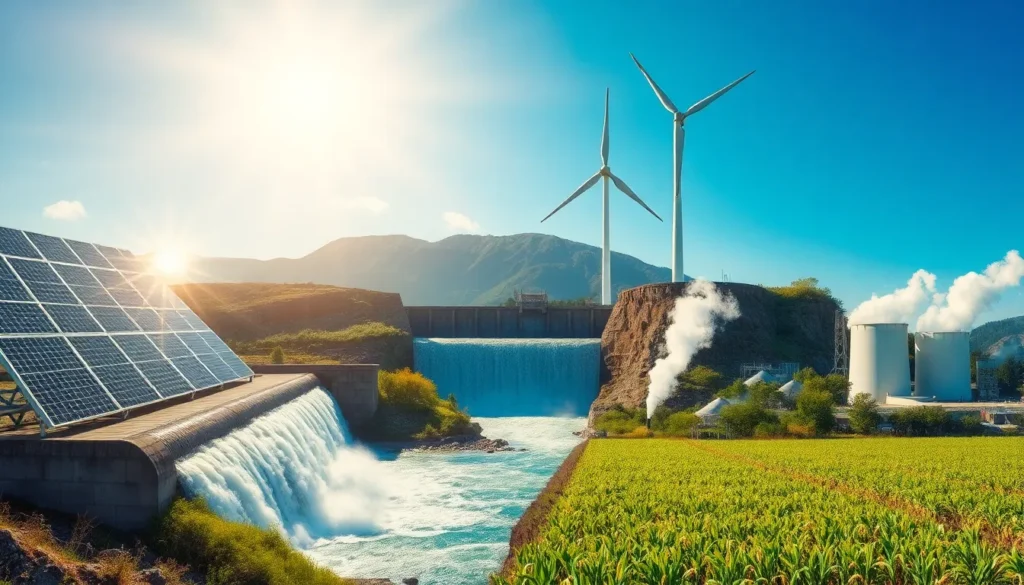
Alternative energy sources play a crucial role in the transition from fossil fuels. Various types of renewable energy provide distinct benefits and contribute to a sustainable future.
Solar Energy
Solar energy captures sunlight through photovoltaic cells or solar panels. This energy conversion dramatically reduces electricity bills for homeowners. Available in residential and commercial settings, solar systems offer energy independence. They generate clean energy while decreasing reliance on traditional power grids. Incentives like tax credits also encourage wider adoption, promoting solar energy’s appeal among consumers.
Wind Energy
Wind energy harnesses the kinetic energy of wind through turbines. Operating costs remain low after installation, making it an attractive option for large-scale power generation. Environmental impacts are minimal, contributing to its strong sustainability profile. Wind farms can be located onshore or offshore, expanding their potential. Communities benefit from job creation and economic investment, further promoting this renewable source.
Hydropower
Hydropower generates electricity using flowing water, typically through dams. This method produces a consistent and reliable energy supply. It accounts for a significant percentage of the world’s renewable energy production. Regions with ample water resources can benefit greatly from hydropower projects. Environmental assessments ensure that ecosystems remain protected, balancing energy needs with conservation.
Geothermal Energy
Geothermal energy taps into the Earth’s heat stored beneath the surface. This resource remains stable, providing a continuous energy supply. Geothermal plants emit minimal greenhouse gases compared to fossil fuels. Actively used for heating and electricity, this energy type supports various applications. Its potential remains largely untapped in many regions, offering opportunities for growth.
Biomass Energy
Biomass energy derives from organic materials such as plant matter and animal waste. This renewable source assists in waste management while providing a usable energy form. Through combustion or conversion to biofuels, biomass can replace traditional fossil fuels. Furthermore, biomass sources can help reduce greenhouse gas emissions. Sustainable practices ensure that biomass energy contributes positively to environmental goals.
Benefits of Alternative Energy Sources
Alternative energy sources offer numerous advantages that contribute significantly to both environmental sustainability and economic growth.
Environmental Impact
Reduced greenhouse gas emissions stand as a primary benefit of alternative energy sources. Solar and wind power generate electricity without releasing harmful pollutants into the atmosphere. Biodiversity protection occurs when land use avoids fossil fuel extraction methods. Water conservation plays a role since many renewable sources consume less water than traditional energy production. Furthermore, renewable energy reduces dependence on finite resources, decreasing habitat destruction. Sustainable energy solutions contribute to cleaner air and lower risks associated with climate change.
Economic Advantages
Job creation is a vital economic benefit tied to alternative energy development. The renewable energy sector generates thousands of jobs, particularly in manufacturing, installation, and maintenance. Investment in energy-efficient technologies encourages local economies to thrive. Consumers experience lower electricity bills as they use renewable sources, providing financial relief over time. Tax credits and incentives stimulate growth in the green energy market. Local industries gain a competitive edge by utilizing natural resources rather than relying on imported fossil fuels, enhancing overall energy security.
Challenges Facing Alternative Energy Sources
Alternative energy sources encounter various challenges that hinder widespread adoption. These obstacles include technological barriers and policy and regulation issues.
Technological Barriers
Technological advancements often lag behind the growing demand for alternative energy. Complexity in energy storage systems limits the efficiency of solar and wind resources. Inconsistent energy production from renewable sources leads to reliability concerns. Maintenance of renewable energy infrastructure can incur high costs, deterring investment. Overall, an emphasis on improving technology is crucial for enhancing the viability of alternative energy.
Policy and Regulation Issues
Policy frameworks frequently struggle to keep pace with the rapid development of alternative energy sources. Inconsistent regulations create uncertainty for investors and developers. Governments may lack clear guidelines or incentives to support renewable energy projects. Local and state policies often vary, complicating nationwide adoption. Addressing these regulatory gaps is essential for driving the expansion of alternative energy sources.
The transition to alternative energy sources represents a significant opportunity for a sustainable future. By embracing renewable options like solar and wind power, individuals and communities can reduce their reliance on fossil fuels while enjoying economic benefits. The potential for job creation and local investments further enhances the appeal of these energy solutions.
Despite the challenges that remain, such as technological advancements and regulatory hurdles, the push for cleaner energy is gaining momentum. With continued innovation and supportive policies, alternative energy can play a pivotal role in shaping a healthier planet. The shift not only promises environmental protection but also paves the way for a more resilient and independent energy landscape.