







In a world where plastic seems to be the reigning champion of packaging, green tech packaging is stepping into the ring like a superhero in eco-friendly spandex. It’s not just about saving the planet; it’s about making packaging that’s smarter, sleeker, and kinder to Mother Earth. Imagine unboxing your favorite product and feeling like you’re doing your part in a global cleanup mission.
Overview of Green Tech Packaging
Green tech packaging represents an innovative shift towards environmentally sustainable packaging solutions. This approach focuses on reducing the ecological footprint while enhancing product appeal.
Definition and Importance
Green tech packaging encompasses materials and processes designed to minimize environmental harm. This sustainable alternative prioritizes renewable resources and biodegradable options, contributing to waste reduction. Companies adopting eco-friendly packaging can enhance their brand image, meet consumer demand for sustainability, and comply with regulations aimed at reducing plastic use. Increased awareness of environmental issues drives the need for innovative packaging solutions that protect both products and the planet.
Types of Green Tech Packaging
Numerous types of green tech packaging exist, each serving specific purposes. Biodegradable materials decompose naturally, reducing landfill waste. Recyclable packaging promotes circular economy practices, allowing consumers to recycle materials, thus lowering environmental impact. Plant-based plastics derive renewable sources, further minimizing reliance on fossil fuels. Edible packaging offers a unique solution, providing a consumable option that eliminates waste altogether. Each type plays a critical role in fostering a more sustainable future for packaging industries worldwide.
Materials Used in Green Tech Packaging
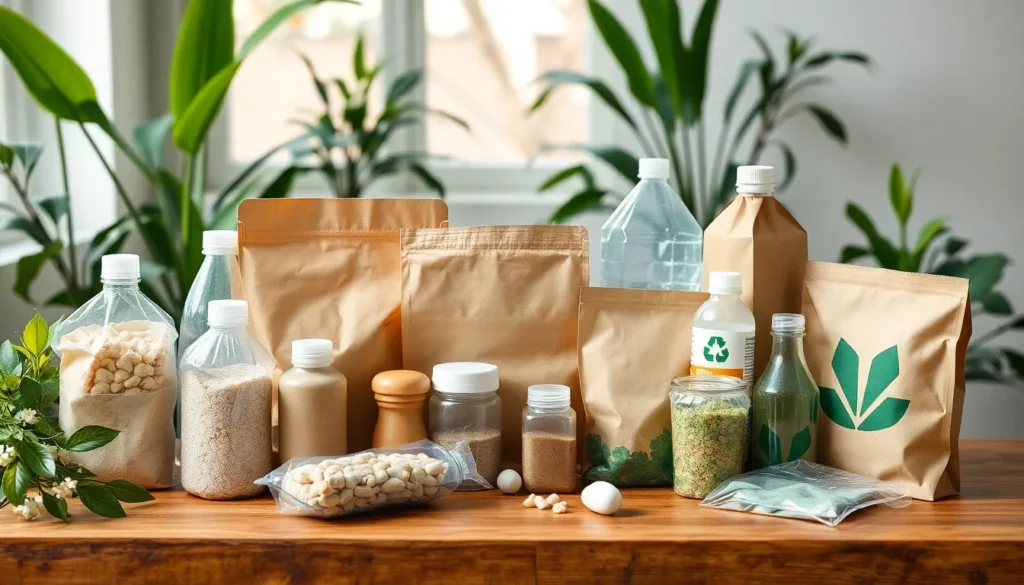
Innovative materials play a crucial role in green tech packaging, contributing to reduced environmental impact. These materials include biodegradable and recyclable options, which offer sustainable alternatives to traditional packaging.
Biodegradable Materials
Biodegradable materials, such as plant-based bioplastics and paper products, break down naturally in the environment. Cornstarch, a popular compostable option, serves as a primary ingredient in many eco-friendly packaging solutions. These materials decompose within months, reducing landfill waste significantly. Furthermore, companies are increasingly utilizing mushroom mycelium and seaweed as alternatives, providing innovative solutions that are compostable and sustainable. The shift towards biodegradable options meets consumer demand for environmentally friendly packaging.
Recyclable Materials
Recyclable materials encompass various options, including certain plastics, paper, and metal. Recycled paper and cardboard packaging, for example, minimize the use of new materials and reduce energy costs. Companies often design packaging using materials like polyethylene terephthalate (PET) that can be continuously recycled without losing quality. Selecting recyclable materials not only conserves resources but also reduces carbon emissions associated with production. Emphasizing recyclable packaging aligns with broader recycling initiatives and encourages consumers to engage in sustainable practices.
Benefits of Green Tech Packaging
Green tech packaging offers numerous advantages, especially regarding environmental sustainability and economic growth. Companies that prioritize green packaging can drive positive change while appealing to eco-conscious consumers.
Environmental Impact
Green tech packaging significantly reduces waste and minimizes pollution. Biodegradable materials break down naturally, decreasing landfill contributions. Renewable resources, such as plant-based plastics, lower reliance on fossil fuels. By using recyclable options, industries help divert waste from landfills and conserve energy. The choice of green packaging also fosters a circular economy that benefits the planet. With initiatives like compostable packaging, the aim is to achieve long-term sustainability. Improved environmental practices benefit both ecosystems and human health.
Economic Advantages
Adopting green tech packaging results in economic benefits for businesses. Companies that embrace eco-friendly materials often enhance their brand reputation and attract environmentally conscious consumers. Green packaging can lead to cost savings by reducing disposal fees and improving operational efficiency. Organizations experience potential tax incentives and grants for implementing sustainable practices. Increased consumer demand for sustainable products often translates into higher sales. Competitive advantage arises from differentiating brands as environmentally responsible. Long-term investment in green technologies may also generate revenue growth and market expansion.
Innovations in Green Tech Packaging
Innovative advancements in green tech packaging drive sustainability forward. These technologies focus on enhancing the functionality and appeal of eco-friendly materials.
Advanced Technologies
Emerging technologies in green packaging include smart packaging solutions and green adhesives. Smart packaging provides real-time data about product conditions, enhancing freshness and reducing waste. Compostable bioplastics derived from renewable sources demonstrate significant promise; they offer durability while breaking down efficiently after use. Nanotechnology further extends packaging shelf life by creating barriers that prevent spoilage. Improvements in recycling processes also play a critical role, contributing to a higher recycling rate and resource recovery. All these innovations represent a commitment to sustainable practices without sacrificing quality.
Case Studies of Successful Implementation
Numerous companies showcase successful implementation of green tech packaging. Unilever adopted biodegradable materials for product packaging, significantly reducing its environmental footprint. Coca-Cola introduced recycled PET plastic bottles, which contribute to a circular economy. Nestlé’s commitment to using only recyclable or reusable packaging by 2025 serves as a clear example of industry leadership. These case studies highlight tangible benefits; improved brand reputation and increased consumer trust accompany the use of eco-friendly packaging. Each example demonstrates how innovative strategies drive sustainability and meet consumer demand for responsible products.
Challenges in Adopting Green Tech Packaging
Adopting green tech packaging presents various challenges that organizations must navigate. Cost remains a significant barrier.
Cost Factors
Initial costs for green tech packaging often exceed traditional options. This higher expense can deter businesses from transitioning, especially small enterprises. Production processes for eco-friendly materials may require advanced technologies. Investment in new machinery and training adds to financial burdens. Despite these challenges, long-term savings often offset initial expenditures through reduced waste disposal costs and enhanced operational efficiency. Companies that evaluate the total cost of ownership instead of just upfront costs can better understand the financial benefits of sustainability.
Consumer Awareness
Consumer awareness regarding green tech packaging varies considerably. Many customers lack knowledge about the benefits of eco-friendly packaging solutions. Increased education on the environmental impact of plastic can empower consumers to make informed choices. Engaging marketing strategies that highlight sustainability features can enhance brand loyalty. Additionally, companies face the challenge of convincing consumers that green packaging does not compromise product quality. Achieving clarity in messaging around eco-friendly options fosters a stronger connection with consumers who prioritize sustainability.
Green tech packaging represents a significant shift towards sustainability in the packaging industry. By embracing innovative materials and processes, companies can not only reduce their environmental impact but also enhance their brand image. As consumer demand for eco-friendly products continues to grow, businesses that prioritize green packaging solutions will likely see increased loyalty and trust from their customers.
While challenges such as cost and consumer awareness persist, the long-term benefits of adopting sustainable practices far outweigh the initial hurdles. Investing in green tech packaging is not just a trend; it’s a necessary step towards a healthier planet and a more responsible future. The ongoing advancements in this field promise exciting opportunities for both businesses and consumers alike, paving the way for a more sustainable world.