







In a world where digital currencies are taking over faster than a cat video goes viral, blockchain wallet apps have become the unsung heroes of the crypto revolution. Imagine having a secure vault for your digital assets right in your pocket, ready to make transactions smoother than butter on hot toast. With the right blockchain wallet app, users can manage their cryptocurrencies with ease, all while feeling like tech-savvy wizards.
Overview of Blockchain Wallet App Development
Blockchain wallet app development involves creating applications that securely store and manage cryptocurrencies. Developers focus on key functionalities, including security, user experience, and compatibility with multiple cryptocurrencies. They design protocols for encrypting private keys, ensuring users’ funds remain protected against unauthorized access.
Security measures are paramount in the development process. Features like two-factor authentication and biometric recognition enhance user safety, creating a sense of trust in the application. These elements significantly contribute to user retention, as individuals prefer apps prioritizing security.
User experience (UX) plays a critical role in adoption rates. Intuitive interfaces allow users to navigate easily, whether sending or receiving funds. Simplified processes reduce friction, encouraging users to engage with the app more frequently. Customizable dashboards further enhance the user experience, allowing individuals to tailor the app to their preferences.
Compatibility with multiple cryptocurrencies adds flexibility. Developers aim to integrate various wallets within a single app, offering users the convenience of managing different assets in one location. This approach streamlines the process, minimizing the need for multiple applications.
Regulatory compliance influences development strategies significantly. Developers must stay updated on laws governing digital currencies within target markets. Adhering to these regulations ensures the app maintains legality while protecting users.
Testing remains an essential part of the app development lifecycle. Identifying vulnerabilities before launch helps mitigate risks associated with security breaches. Continuous updates post-launch also address emerging threats, ensuring the app remains resilient against cyberattacks. By focusing on these crucial aspects, blockchain wallet app development evolves, meeting the growing demands of cryptocurrency users.
Types of Blockchain Wallets
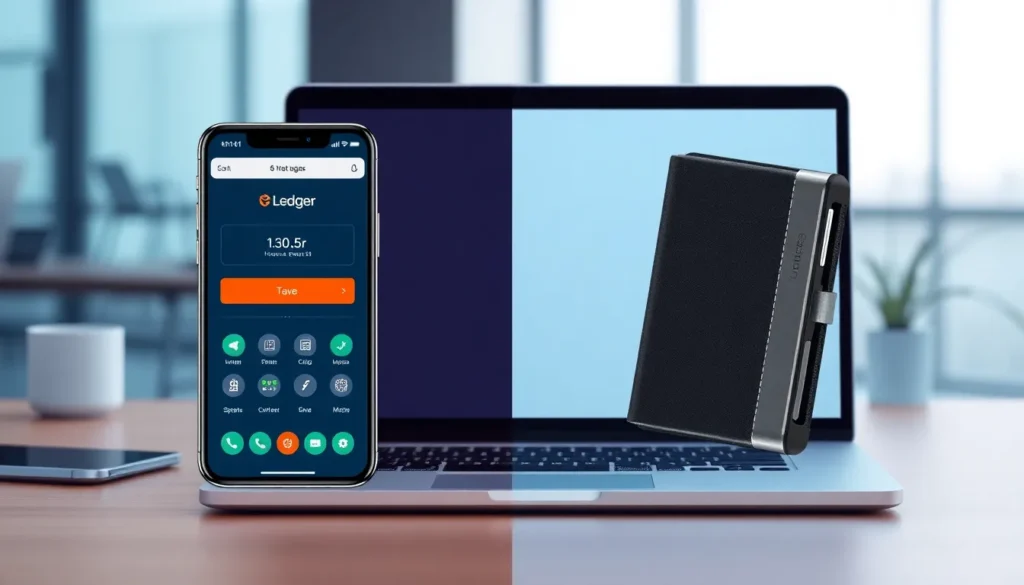
Blockchain wallets are generally categorized into two main types: hot wallets and cold wallets. Each type offers unique features tailored to different user needs.
Hot Wallets
Hot wallets operate online, providing quick access to cryptocurrencies. Users often prefer hot wallets for trading and frequent transactions due to their convenience. They support multiple cryptocurrencies, enabling users to manage diverse portfolios easily. Security measures like two-factor authentication enhance protection, making it accessible while safeguarding against threats. These wallets remain connected to the internet, increasing the risks of hacking but offering unparalleled ease of use for everyday transactions. Popular examples include mobile apps and web-based wallets.
Cold Wallets
Cold wallets store cryptocurrencies offline, providing enhanced security. Users benefit from these wallets when holding assets long-term, as they significantly reduce hacking risks. Most cold wallets come in hardware forms such as USB devices or paper wallets. The lack of internet connection ensures funds remain safe from online threats. Although they require more steps for transactions, cold wallets attract users focused on security. Examples of cold wallets include Ledger and Trezor devices. These wallets secure private keys offline, ensuring maximum protection for stored assets.
Key Features of a Blockchain Wallet App
Blockchain wallet apps offer several key features that enhance their functionality and user appeal. This section focuses on essential aspects such as security measures and user experience design.
Security Measures
Security forms the backbone of blockchain wallet apps. Users benefit from robust protections like two-factor authentication, which adds an extra layer of security. Biometric recognition also plays a crucial role, allowing users to access their funds through fingerprints or facial identification. Developers implement encryption technologies to safeguard sensitive data against unauthorized access. Multi-signature capabilities further enhance security by requiring multiple parties to validate transactions. Regular software updates address emerging vulnerabilities and reinforce defenses. Trust in wallet security drives user engagement and encourages broader adoption of cryptocurrency management.
User Experience Design
User experience design significantly impacts how individuals interact with blockchain wallet apps. Intuitive interfaces simplify navigation, ensuring that users can easily execute transactions. Customizable dashboards allow users to tailor their experience according to personal preferences. Clear visual elements guide users through various functionalities, fostering confidence in their actions. Support for multiple cryptocurrencies adds to the appeal, catering to diverse trading needs. Incorporating tutorials or FAQs assists new users in familiarizing themselves with app features. Prioritizing a seamless user experience contributes to higher customer satisfaction and retention in the competitive crypto market.
Development Process of a Blockchain Wallet App
The development process involves several key stages, each critical to the app’s success and user satisfaction. Planning and requirements gathering set the foundation for a robust application.
Planning and Requirements Gathering
Initial planning involves identifying user needs, defining target audiences, and establishing core features. Teams gather functional and technical requirements, ensuring all stakeholders contribute insights. This phase emphasizes understanding the positions of potential users, recognizing preferences for security, and usability. Developers analyze competitors and market trends to refine ideas. Critical aspects include integrating compliance standards and deciding on supported cryptocurrencies. Engaging potential users through surveys or focus groups proves beneficial, as it provides direct feedback on desired functionalities.
Choosing the Right Blockchain Technology
Selecting blockchain technology affects the wallet’s performance and functionality. Multiple platforms exist, each offering unique benefits. Ethereum, for example, supports smart contracts, while Bitcoin focuses on security and decentralization. Evaluating scalability and transaction speed remains essential, as these factors impact user experience. Developers assess compatibility with multiple cryptocurrencies, as broad support features attract a diverse user base. Cost considerations also play a role; utilizing open-source solutions may lower development expenses. Testing different blockchain technologies encourages informed decisions that align with required app features.
Challenges in Blockchain Wallet App Development
Developers face several challenges in blockchain wallet app development. Security remains the most critical barrier, as cyber threats consistently evolve. Employing robust encryption methods and multi-signature capabilities is vital to safeguard users’ funds.
User experience also poses significant difficulties. Creating intuitive interfaces requires balancing complexity and ease of use. If the design is too complex, users may feel overwhelmed; if it’s too simplistic, it might lack essential features.
Regulatory compliance presents additional obstacles. Understanding the legal landscape is crucial, particularly as regulations vary across regions. Distinct countries may impose differing standards for transaction processes and user protections, making compliance an ongoing concern.
Compatibility with multiple cryptocurrencies introduces further complexity. Supporting various digital currencies requires thorough integration efforts. Developers must ensure seamless transactions while managing different blockchain technologies and protocols.
Testing and quality assurance play key roles in the app development process. Continuous testing is necessary to identify vulnerabilities and enhance app performance. Incorporating user feedback during beta testing helps address issues before the official launch.
Finally, the need for continuous updates can strain development resources. As the cryptocurrency landscape shifts, regular updates are essential to adapt to emerging threats and technologies. Building a dedicated team for ongoing maintenance can mitigate these challenges, ensuring user trust and satisfaction.
Each of these challenges highlights the intricacies of developing successful blockchain wallet apps. Overcoming these hurdles enables developers to deliver secure, user-friendly solutions in the competitive cryptocurrency market.
Future Trends in Blockchain Wallet Technology
Emerging trends in blockchain wallet technology focus on enhanced security and user control. Developers increasingly prioritize advanced security protocols, like decentralized identity verification, allowing users to maintain control over their private keys. Biometric authentication techniques, such as facial recognition and fingerprint scanning, gain popularity due to their convenience and heightened security.
Multi-chain compatibility is another trend shaping the future of blockchain wallets. Users benefit from the ability to manage multiple cryptocurrencies across various blockchains within a single wallet app. This integration streamlines the management process and enhances user experience.
Incorporating artificial intelligence (AI) and machine learning (ML) enhances predictive analysis and fraud detection. These technologies analyze transaction patterns and provide insights, enabling users to make informed decisions while minimizing risks. Increased adoption of AI and ML ensures proactive security measures in transaction processing.
Decentralized finance (DeFi) applications are gaining traction within wallet ecosystems. These apps facilitate lending, borrowing, and trading directly from wallets, empowering users with greater financial autonomy. Seamless integration of DeFi products within wallet apps fosters user engagement and interaction with decentralized platforms.
Regulatory compliance remains a crucial area of focus. As governments establish clearer frameworks for cryptocurrencies, integrating compliance features into wallet apps ensures adherence to local laws. This will enhance user trust and safeguard against legal complications.
The development of decentralized exchanges (DEXs) within wallet apps also rises in popularity. Users can trade cryptocurrencies directly from their wallets without relying on centralized entities, which enhances security and control. This shift supports the growing demand for privacy and autonomy in financial transactions.
Ultimately, the continuous evolution of blockchain wallet technology through security, multi-chain integration, AI, DeFi applications, regulatory compliance, and DEX implementation ensures a more robust and user-friendly experience for cryptocurrency holders.
The landscape of blockchain wallet app development is dynamic and full of potential. As technology advances users can expect enhanced security features and improved user experiences. Developers must stay ahead of emerging threats while ensuring compliance with evolving regulations.
The integration of innovative technologies like AI and multi-chain compatibility will likely shape the future of these applications. By focusing on user needs and maintaining robust security measures developers can create wallet apps that not only meet current demands but also adapt to future challenges. This ongoing evolution promises to empower users with greater control and security in their cryptocurrency endeavors.