







Corn on the cob is a beloved summer staple, often gracing backyard barbecues and family gatherings. This delicious treat not only brings nostalgia but also raises questions about its nutritional value, particularly its carbohydrate content. For those watching their carb intake, understanding how corn fits into their diet is essential.
Packed with flavor and nutrients, corn on the cob offers more than just a satisfying crunch. While it’s a source of carbohydrates, it also provides fiber, vitamins, and minerals. Exploring the balance between enjoying this seasonal delight and maintaining a healthy diet can help individuals make informed choices. Let’s dive into the carb content of corn on the cob and what it means for your overall nutrition.
Overview of Corn on the Cob
Corn on the cob serves as a popular choice at barbecues and family gatherings, prized for its sweet flavor and satisfying crunch. A single medium ear of corn contains approximately 25 grams of carbohydrates, providing a balance of energy and nutrients.
Corn is an excellent source of dietary fiber, which contributes to digestive health. It contains essential vitamins like B vitamins, particularly folate, and minerals such as magnesium and potassium. These nutrients help support overall well-being and can aid in energy production.
When considering the health impacts, moderation is key. Enjoying corn on the cob alongside balanced meals ensures that it contributes positively to the diet. With proper preparation and portion control, corn on the cob can fit into various dietary needs while offering a delightful taste.
Nutritional Breakdown
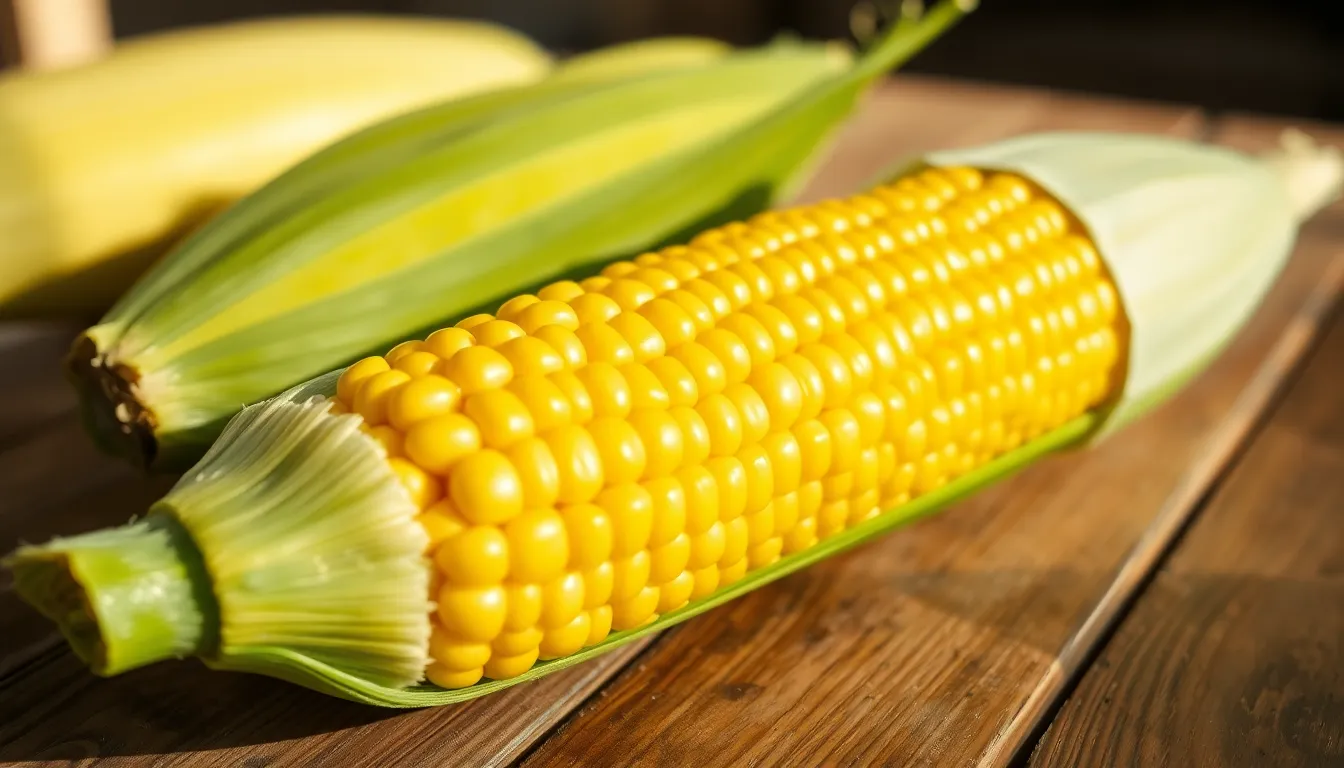
Corn on the cob is not only a popular dish but also a nutritious option packed with various essential components. Understanding its carbohydrate and other nutrient content is vital for balanced dietary choices.
Carbohydrate Content
A medium ear of corn contains approximately 25 grams of carbohydrates. These carbs primarily come in the form of starch, a complex carbohydrate that provides lasting energy. The fiber content, about 3 grams per ear, aids in digestion and promotes gut health. When consumed as part of a meal, corn’s carbohydrate content contributes to daily energy needs while offering nutritional benefits.
Other Nutrients
Corn on the cob is rich in vitamins and minerals. It provides:
- B Vitamins: Corn is a good source of B vitamins, especially folate, which plays a critical role in DNA synthesis and cell growth.
- Fiber: The dietary fiber from corn supports digestive health and helps maintain regular bowel movements.
- Minerals: It contains magnesium and potassium, both essential for muscle function and overall cellular health.
This nutrient profile contributes to corn on the cob being a wholesome addition to various meal plans, supporting overall well-being when enjoyed in moderation.
Health Benefits of Corn on the Cob
Corn on the cob provides several health benefits that enhance overall well-being.
- Rich in Antioxidants: Corn contains important antioxidants like lutein and zeaxanthin. These compounds support eye health and may reduce the risk of age-related macular degeneration.
- Supports Digestive Health: With approximately 3 grams of dietary fiber per medium ear, corn promotes digestive health. Fiber aids in regular bowel movements and prevents constipation.
- Provides Essential Vitamins: Corn offers significant amounts of B vitamins, particularly folate. Folate is vital for DNA synthesis and cell growth, making it essential during pregnancy.
- Delivers Important Minerals: Corn is a good source of minerals such as magnesium and potassium. Magnesium helps regulate muscle and nerve function, while potassium supports heart health and maintains proper fluid balance.
- Boosts Energy Levels: The carbohydrate content, primarily from starch, supplies lasting energy. This makes corn an excellent option for active individuals or during outdoor activities.
- May Improve Heart Health: The fiber, vitamins, and minerals in corn contribute to heart health by lowering cholesterol levels and supporting proper blood pressure.
- Promotes Skin Health: The antioxidants and vitamins in corn can boost skin health, promoting a radiant complexion and protecting against UV damage.
Enjoying corn on the cob as part of a balanced diet maximizes these health benefits, making it a nutritious addition to meals.
Factors Affecting Corn on the Cob Carbs
Several factors influence the carbohydrate content in corn on the cob, including cooking methods and portion sizes.
Cooking Methods
Cooking methods impact the carbohydrate levels in corn on the cob. Boiling or steaming retains more nutrients compared to grilling or roasting, which can cause some nutrient loss due to direct heat. Grilling may caramelize the sugars in corn, slightly altering its carbohydrate makeup.
Portion Sizes
Portion sizes also play a crucial role in carbohydrate consumption. A medium ear of corn contains about 25 grams of carbohydrates. Eating larger portions increases the total carbohydrate intake proportionally. Consuming smaller-sized ears of corn or cutting portions in half can help manage carbohydrate consumption while still enjoying its benefits. For example, a small ear may contain around 15 grams of carbohydrates, offering a suitable alternative for those monitoring their carb intake.
How to Incorporate Corn on the Cob into Your Diet
Incorporating corn on the cob into a diet can enhance meals with flavor and nutrition.
- Grill It: Grilling corn on the cob adds a smoky flavor while preserving nutrients. Brush with olive oil or spices for added taste.
- Boil or Steam It: Boiling or steaming retains essential vitamins and minerals. Serve with a sprinkle of salt or herbs for flavor.
- Add to Salads: Cut kernels off cooked corn and mix them into salads. Corn complements greens, beans, and proteins, enhancing texture and taste.
- Use in Salsas: Incorporate grilled corn into fresh salsas. Combine with tomatoes, onions, cilantro, and lime for a vibrant topping for tacos or grilled meats.
- Include in Soups: Add corn to soups for sweetness. It enriches corn chowders or vegetable-based soups with nutrients and flavors.
- Pair with Healthy Fats: Pair corn with avocado or healthy oils to boost nutrient absorption. This combination promotes better digestion of fat-soluble vitamins.
- Experiment with Seasoning: Season corn with spices like chili powder or paprika. This enhances flavors and adds unique twists for varied dishes.
- Sidelines with Meals: Serve corn on the cob as a side dish during barbecues, picnics, or family dinners. It pairs well with grilled meats and fish.
- Choose Appropriate Portions: Monitor portion sizes for carbohydrate content. Opt for smaller ears or half portions for balanced carb intake without sacrificing flavor.
- Involve in Meal Prep: Include corn as a versatile ingredient in meal prepping. It can be prepared in batches and stored for future meals, adding convenience.
Incorporating corn on the cob in these ways ensures a nutritious addition, promoting overall health and enjoyment.
Corn on the cob stands out as a delicious and nutritious option for meals and gatherings. Its carbohydrate content provides energy while the fiber and vitamins support overall health. With various cooking methods and portion sizes available, it can easily fit into a balanced diet. Incorporating corn on the cob into meals not only enhances flavor but also maximizes its health benefits. By being mindful of preparation techniques and serving sizes, individuals can enjoy this summer staple while maintaining a healthy lifestyle.