






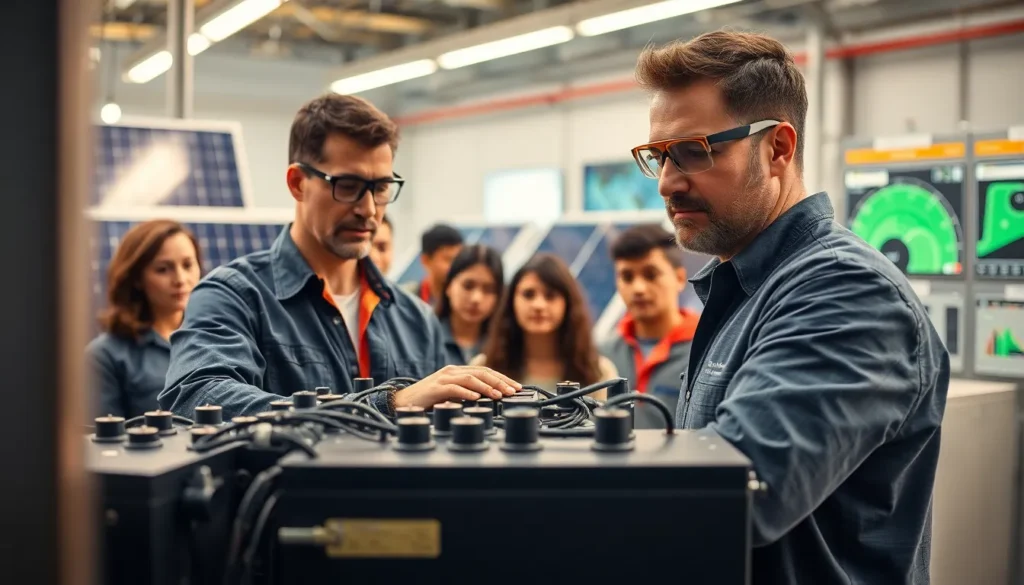
In a world where energy seems to vanish faster than socks in a dryer, energy storage solutions are stepping into the spotlight. Imagine being able to harness that surplus solar power during the day and unleash it like a superhero at night. Sounds like magic, right? Well, it’s not; it’s just good old-fashioned science working its charm.
As renewable energy sources grow, so does the need for efficient storage. Whether it’s lithium-ion batteries or pumped hydro storage, these solutions not only keep the lights on but also save the planet from an energy crisis. So, if you’re tired of living in the dark ages of energy management, buckle up. It’s time to explore how these innovative technologies can revolutionize the way we store and use energy.
Overview of Energy Storage Solutions
Energy storage solutions play a pivotal role in modern energy management. These technologies capture surplus energy generated from renewable sources for future use. Lithium-ion batteries represent one of the most prevalent storage methods, offering high efficiency and scalability for various applications.
Pumped hydro storage stands out as a long-established technique, utilizing water reservoirs and gravitational potential to store energy. This method allows for substantial energy retention, particularly suited for large-scale energy storage needs.
Beyond batteries and pumped hydro, emerging technologies such as flywheels and thermal storage provide alternative options. Flywheels utilize kinetic energy for quick discharge and recharge cycles, enhancing grid stability. Meanwhile, thermal storage systems capture heat for later use, serving both commercial and residential applications efficiently.
Innovations continue to drive the energy storage market. Solid-state batteries, for instance, promise higher energy densities and improved safety compared to traditional lithium-ion options. These advancements could lead to longer-lasting energy solutions suitable for electric vehicles and stationary applications.
A diverse range of energy storage solutions exists to meet the growing demand for efficient energy management. Transitioning towards these technologies supports a more sustainable energy future, fostering the effective use of renewable energy sources while addressing gaps in demand and supply.
Types of Energy Storage Solutions
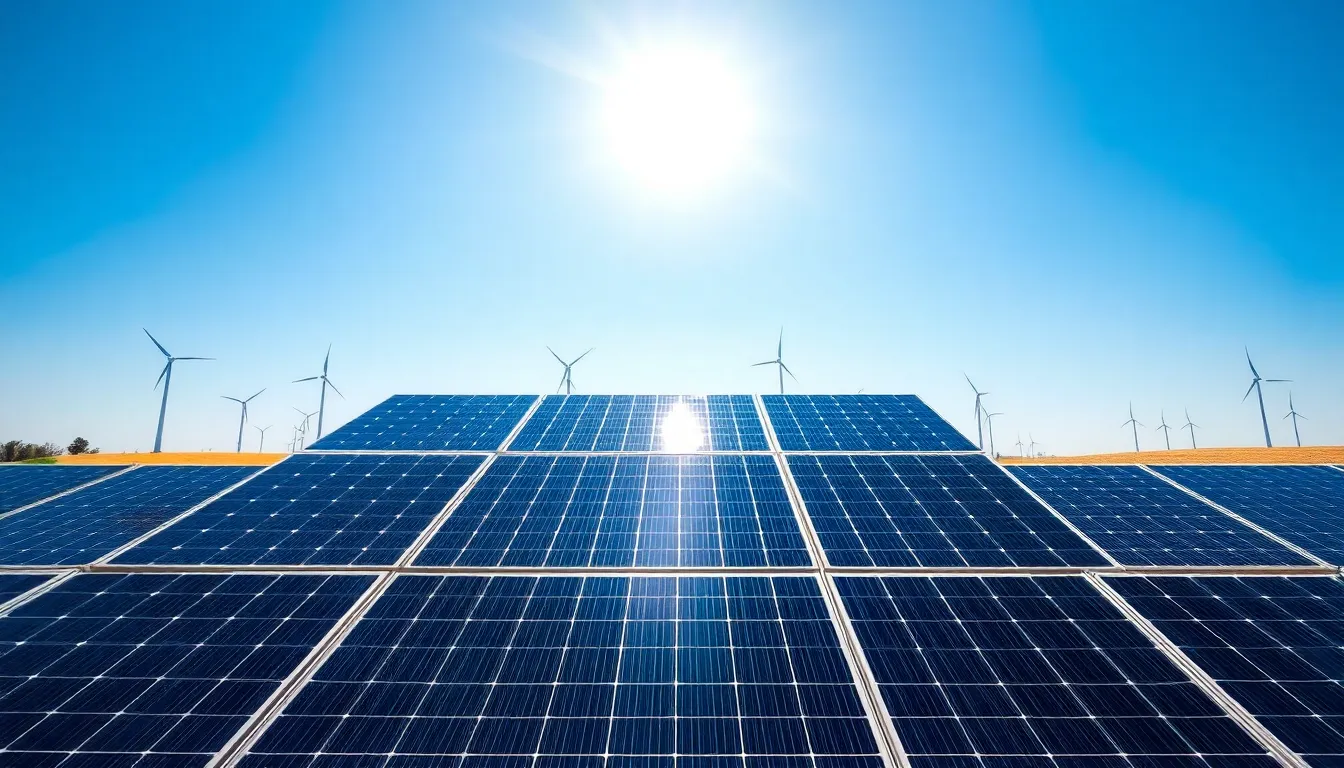
Energy storage solutions encompass various technologies that play essential roles in energy management. Each type addresses specific needs and applications in the renewable energy landscape.
Mechanical Storage
Mechanical storage methods capture energy in physical systems. Pumped hydro storage is the most common, using water reservoirs to store energy. During low-demand periods, water is pumped to a higher elevation, then released to generate electricity when needed. Flywheels store kinetic energy, spinning at high speeds, and can quickly release energy for frequency regulation or short bursts of power. Compressed air energy storage involves using excess energy to compress air, stored in underground caverns, which releases energy upon expansion.
Chemical Storage
Chemical storage mechanisms utilize chemical reactions to store and release energy. Lithium-ion batteries are prevalent in both residential and commercial settings, known for their efficiency and scalability. Flow batteries, employing liquid electrolytes, allow for longer-duration storage and provide flexibility in energy management. Hydrogen storage systems produce hydrogen through electrolysis, allowing renewable energy to convert into a storable fuel, which can later be used in fuel cells for electricity generation.
Thermal Storage
Thermal storage solutions manage heat energy, storing it for later use. Concentrated solar power plants use molten salt to capture and store heat generated during the day, providing energy even after sunset. Ice storage systems create ice during off-peak hours, which cools air in buildings during peak demand hours. This method reduces energy costs and enhances grid stability, particularly in commercial applications.
Electrical Storage
Electrical storage systems directly store electrical energy for later use. Supercapacitors deliver rapid charge and discharge capabilities, ideal for applications requiring quick bursts of energy. Solid-state batteries represent an emerging technology, promising increased energy density and safety compared to conventional batteries. In addition, energy storage systems utilize various battery technologies to enhance grid flexibility and reliability, supporting the overall efficiency of energy networks.
Applications of Energy Storage Solutions
Energy storage solutions enable efficient management and utilization of energy. They play a significant role across various sectors, enhancing performance and sustainability.
Renewable Energy Integration
Energy storage solutions facilitate the integration of renewable energy sources into existing grids. Lithium-ion batteries and pumped hydro systems capture surplus energy generated from wind and solar sources. These technologies store energy generated during peak production times for later use, ensuring a steady supply throughout the day. This capacity to shift energy availability helps reduce reliance on fossil fuels and mitigates the intermittency of renewable generation. As a result, energy storage increases grid reliability by providing backup power when renewable sources are unavailable.
Grid Stability and Support
Grid stability is enhanced through energy storage solutions, which provide essential support during demand fluctuations. Mechanical storage options like flywheels stabilize frequency and voltage across the network. Batteries act as buffer systems, supplying energy to meet sudden spikes in demand or absorbing excess energy during low consumption periods. These capabilities minimize the risk of blackouts and allow for smoother power distribution. Efficient energy balancing through storage solutions leads to a more resilient grid overall.
Electric Vehicle Charging
Electric vehicles benefit significantly from energy storage solutions, which help manage charging loads. Large-scale battery installations can supply power during peak charging hours, reducing stress on the grid. Moreover, vehicle-to-grid technology enables electric vehicles to return stored energy to the grid, enhancing overall efficiency. This bi-directional flow of energy supports renewable power integration and optimizes charging practices. Storage solutions in electric vehicle infrastructure promote a seamless transition toward greener mobility options.
Benefits of Energy Storage Solutions
Energy storage solutions offer multiple advantages, making them critical in today’s energy landscape.
Cost Savings
Cost savings emerge as one of the most significant benefits. Energy storage systems enable users to store energy during off-peak hours when electricity rates decrease, reducing overall consumption costs. Businesses and homeowners alike can enjoy lower utility bills by utilizing stored energy during peak demand periods. Additionally, many incentives and rebates encourage adopting energy storage technologies, enhancing overall financial benefits for users.
Environmental Impact
Environmental impact reflects another key advantage. Energy storage systems support the integration of renewable energy sources, reducing reliance on fossil fuels. By capturing excess energy generated from renewable sources, such as solar and wind, these solutions minimize greenhouse gas emissions and contribute to a cleaner energy ecosystem. Transitioning to energy storage not only promotes sustainability but also fosters ecological resilience for future generations.
Increased Reliability
Increased reliability stands out as an essential benefit for energy systems. Energy storage solutions enhance grid stability by providing backup power during outages or peak demand. They also smooth out fluctuations in energy supply, ensuring that critical infrastructure receives consistent energy. As a result, communities experience fewer blackouts and more reliable access to electricity, contributing to overall societal well-being.
Challenges Facing Energy Storage Solutions
Energy storage solutions face several challenges that impact their efficiency and implementation. Understanding these obstacles is crucial for future advancements.
Technological Limitations
Technological limitations hinder the widespread adoption of energy storage systems. Current battery technologies, such as lithium-ion, often suffer from issues related to energy density and lifecycle longevity. Most lithium-ion batteries maintain a limited charge-discharge cycle, which reduces their overall lifespan. Reliability issues arise from temperature sensitivity that may affect performance. Scaling innovations like solid-state batteries has proven complex, despite their potential for higher energy densities. Moreover, developing cost-effective alternatives takes time and research. Industries must overcome these hurdles to enhance energy storage capabilities and ensure sustainability.
Regulatory Hurdles
Regulatory hurdles significantly impact the deployment of energy storage solutions. Different jurisdictions impose varying regulations that complicate project approvals. New energy storage systems often face lengthy permitting processes that delay implementation. Utilities and developers encounter interconnection standards that may restrict integration into existing grids. Lack of clear policies surrounding energy storage incentivization reduces investment and innovation. Addressing these regulatory challenges fosters a more supportive environment for energy storage solutions, promoting their growth in the renewable energy landscape.
Energy storage solutions are vital for addressing the challenges of modern energy management. They enable the effective use of renewable resources while enhancing grid stability and reliability. As technology continues to evolve, innovative storage options will play an increasingly significant role in shaping a sustainable energy future.
By investing in diverse energy storage systems, individuals and businesses can reduce costs and minimize their environmental impact. Overcoming existing technological and regulatory challenges is essential for unlocking the full potential of these solutions. Embracing this transition will pave the way for a greener, more efficient energy landscape that benefits everyone.