







In a world where smartphones seem to die faster than a houseplant in a drought, green battery technology is here to save the day—and the planet. Imagine a future where your devices charge faster than your morning coffee brews, all while being eco-friendly. It sounds like science fiction, but it’s becoming a reality.
Overview Of Green Battery Technology
Green battery technology focuses on creating sustainable energy storage solutions. This technology aims to reduce environmental impact while enhancing battery performance. Research highlights diverse materials, including sodium-ion and solid-state batteries, as alternatives to traditional lithium-ion. These alternatives promise improved safety, higher capacity, and faster charging times.
Within this sector, innovations like organic batteries utilize biodegradable components. Such advancements contribute to a more circular economy, reducing electronic waste. Manufacturers prioritize recycling and repurposing battery materials to minimize resource depletion.
Performance metrics demonstrate notable progress. Recent studies indicate that sodium-ion batteries can achieve energy densities comparable to lithium-ion batteries, while reducing reliance on rare materials. Transitioning to renewable energy sources fuels the development of these technologies, enabling integration with solar and wind energy systems.
Investments in green battery technology are increasing globally. Countries such as China, Germany, and the United States are leading initiatives to cultivate advancements in this field. Collaboration among researchers, businesses, and governments accelerates progress and fosters innovation.
Regulatory frameworks are evolving to support these initiatives. Policies promoting sustainable practices and funding for research create a conducive environment for growth. Adoption of green battery technology will play a significant role in transitioning to a low-carbon economy.
Overall, advancements in green battery technology are paving the way for a sustainable energy future. It is not just about performance; it is about creating solutions that align with environmental responsibilities.
Types Of Green Batteries
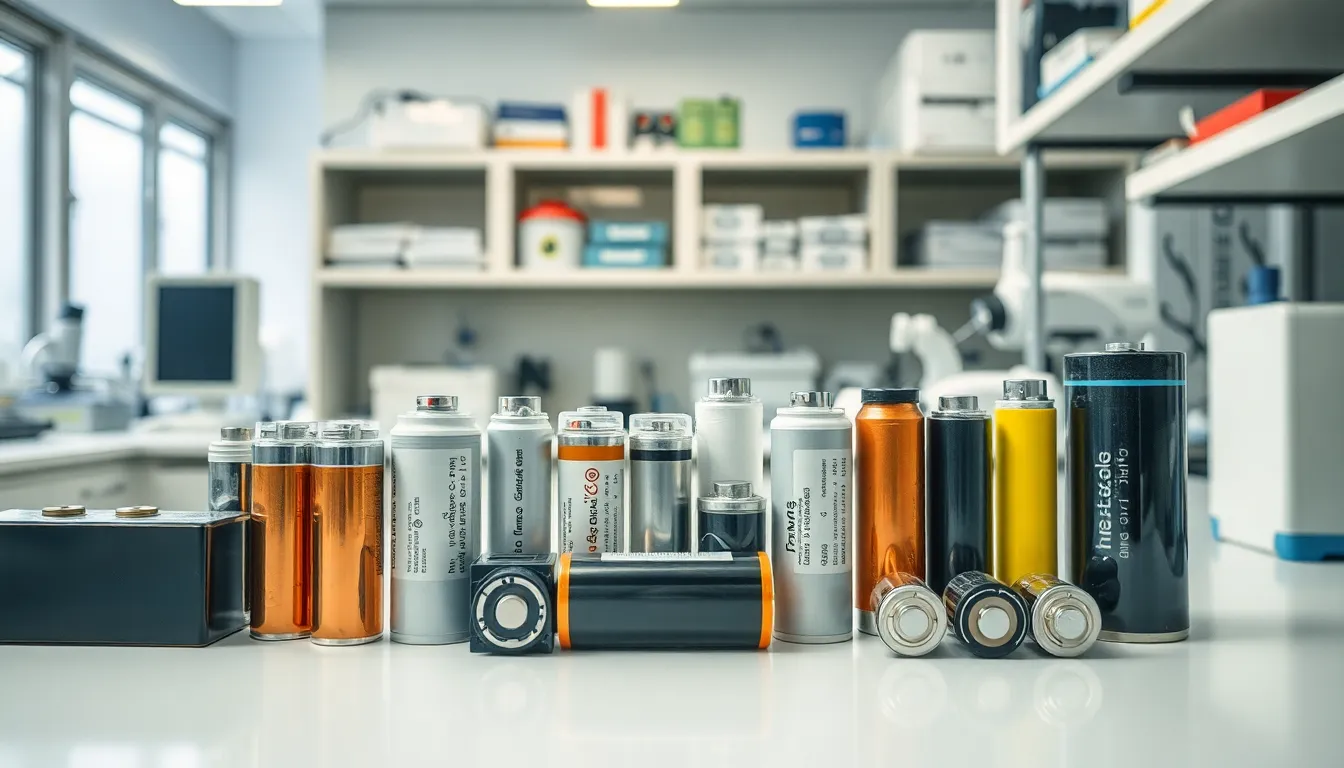
Green battery technology encompasses several types of batteries that aim to minimize environmental impact while enhancing performance.
Lithium-Ion Alternatives
Sodium-ion batteries serve as a prominent alternative to lithium-ion options. They utilize sodium, which is abundant and more cost-effective than lithium. Performance metrics indicate that sodium-ion batteries achieve energy densities comparable to their lithium counterparts. Research continues into their capacity for quicker charging times and improved safety features. Additionally, lithium-sulfur batteries represent another noteworthy alternative. These batteries exhibit higher theoretical energy densities, offering the potential for longer-lasting power sources.
Solid-State Batteries
Solid-state batteries replace the liquid electrolyte found in conventional batteries with a solid electrolyte. This shift enhances safety by reducing fire risks. Benefits of solid-state batteries include higher energy densities and increased cycle life. Studies show these batteries perform well in extreme temperatures, which expands their applicability. Global interest continues to rise in solid-state technology, with numerous manufacturers investing in research and development.
Advantages Of Green Battery Technology
Green battery technology offers numerous advantages that support both environmental health and economic growth. This innovative approach focuses on sustainable energy storage solutions, providing significant benefits across various sectors.
Environmental Benefits
Reducing environmental impact is a primary advantage of green battery technology. Conventional batteries often rely on toxic materials that contribute to pollution. In contrast, alternatives like sodium-ion and solid-state batteries utilize safer components, minimizing ecosystem damage. These technologies also promote the use of abundant materials, such as sodium, which alleviates pressure on rare resources. Additionally, innovations like organic batteries facilitate a circular economy, enhancing biodegradability and decreasing electronic waste. By improving energy efficiency during production and use, these batteries lower carbon footprints, ultimately supporting ecological sustainability.
Economic Impact
Green battery technology significantly influences economic patterns by fostering new markets. Investing in sustainable energy solutions creates job opportunities across sectors like manufacturing, research, and installation. Countries leading in technological advancements, such as China, Germany, and the United States, experience growth in their green technology sectors. Furthermore, decreasing dependence on fossil fuel-based materials reduces energy costs in the long term. Developing efficient production methods enhances competitiveness, while government policies supporting sustainable practices stimulate investments and innovation. Increased focus on green battery initiatives strengthens local economies and encourages global collaboration on sustainability efforts.
Challenges And Limitations
Green battery technology faces several challenges that can hinder its widespread adoption and effectiveness.
Material Sourcing
Sourcing materials for green batteries poses significant challenges. Sodium-ion batteries utilize sodium, a more abundant resource than lithium, yet extracting this resource sustainably remains complex. Moreover, the mining practices for lithium and cobalt often result in environmental degradation. Companies must ensure responsible sourcing to avoid exacerbating ecological issues. Biodegradable components in organic batteries offer promise, but production scalability impacts availability. Sourcing rare materials for lithium-sulfur batteries compounds this issue. Establishing transparent supply chains is essential for mitigating ethical concerns and ensuring sustainable practices.
Technological Barriers
Technological barriers impede progress in green battery development. Current manufacturing processes need optimization for consistency and efficiency. Sodium-ion technology lags behind lithium-ion in performance, particularly in energy density. Solid-state batteries promise safety improvements, but manufacturing challenges delay their commercial viability. Research and development require significant investment to overcome these hurdles. Additionally, integration with existing infrastructures poses compatibility issues. Market acceptance depends on reliable performance, which remains a hurdle for emerging technologies. Overall, addressing these technological limitations is crucial for advancing green battery solutions.
Future Prospects Of Green Battery Technology
Emerging trends in green battery technology indicate a shift toward more sustainable energy solutions. Sodium-ion batteries are gaining attention due to their cost-effectiveness and use of abundant resources. Research shows they can achieve energy densities that rival traditional lithium-ion batteries which supports scaling in various applications.
Solid-state batteries promise enhancements in safety and performance. They eliminate the risks associated with liquid electrolytes, offering advantages in temperature extremes. Manufacturers are actively exploring scalable production methods to increase their market readiness.
Lithium-sulfur batteries highlight the potential for longer-lasting power sources through their higher theoretical energy densities. Innovations in production techniques may lead to practical applications in electric vehicles and portable electronics, providing a significant advantage in energy storage.
Organic batteries contribute to the green battery landscape. Made from biodegradable components, these solutions align with the principles of a circular economy. By decreasing the impact of electronic waste, they present an eco-friendly alternative that attracts attention from various industries.
Investment in green battery technology is expanding, creating new markets and job opportunities. Countries such as China, Germany, and the United States are at the forefront of these advancements, demonstrating the economic potential of sustainable energy storage. As collaboration increases, global efforts to enhance manufacturing capabilities and develop efficient supply chains gain momentum.
Challenges in material sourcing and technological barriers remain. Sustainable extraction methods for sodium, along with the environmental consequences of lithium and cobalt mining, pose ethical considerations. Overcoming these issues is essential for the broader adoption of green battery solutions, fostering a reliable and sustainable energy future.
Green battery technology holds immense promise for a sustainable future. By prioritizing eco-friendly materials and innovative designs, it paves the way for efficient energy storage solutions. The shift towards alternatives like sodium-ion and solid-state batteries not only enhances performance but also reduces environmental impact.
As advancements continue, the potential for economic growth and job creation in this sector becomes increasingly evident. However, addressing the challenges surrounding material sourcing and manufacturing processes is essential for realizing these benefits. The ongoing commitment to developing greener technologies will ultimately shape the energy landscape and contribute to a healthier planet.