





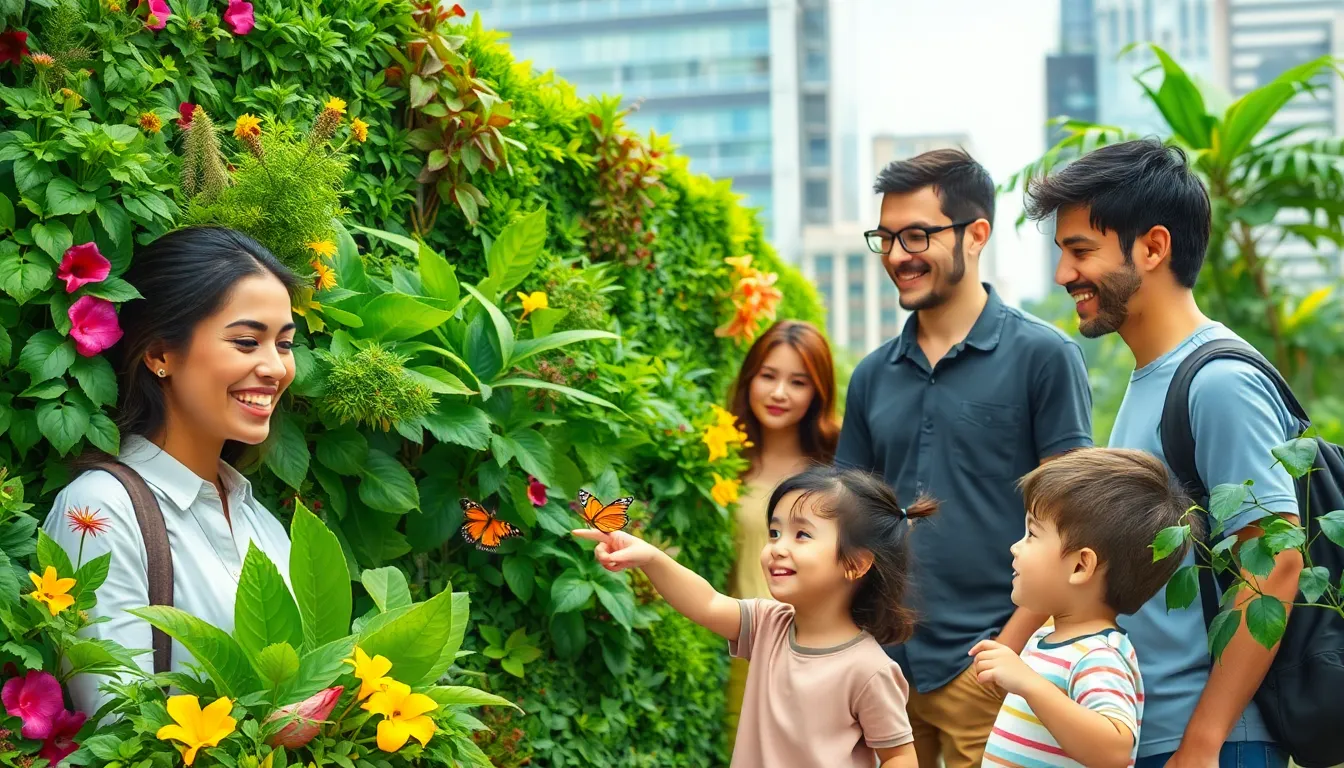
Imagine transforming dull walls into vibrant ecosystems that not only look stunning but also breathe life into urban spaces. Green wall tech does just that, turning ordinary structures into lush vertical gardens. These living walls are more than just pretty foliage; they offer a host of benefits, from improving air quality to reducing noise pollution.
In a world where concrete jungles dominate, green walls provide a refreshing escape, making even the grumpiest office worker feel a little more zen. Plus, they’re like nature’s air fresheners—no plug-ins or synthetic scents required! As cities continue to grow, embracing green wall technology isn’t just a trend; it’s a necessity for a healthier, happier environment. So, let’s dive into the leafy wonders of green wall tech and discover how it’s reshaping our surroundings one plant at a time.
What Is Green Wall Tech?
Green wall technology refers to the integration of living vegetation into vertical structures. This innovative approach uses various plant types to create lush, green surfaces that enhance urban spaces. Unlike traditional gardening, green walls utilize vertical space, making them ideal for cities lacking ample ground area.
Key components of green wall systems include modular planting panels, irrigation systems, and support structures. Various types exist, such as living walls, green façades, and modular green walls. Living walls integrate planting modules directly into the building’s façade, while green façades typically use climbing plants attached to frameworks.
Environmental benefits abound with green wall technology. Improved air quality results from plants filtering pollutants and absorbing carbon dioxide. Studies show green walls can reduce ambient temperatures by up to 10 degrees Fahrenheit, promoting energy efficiency in buildings. Noise reduction also occurs, as plants help absorb sound waves, creating quieter urban environments.
Aesthetic enhancements become evident through the use of diverse plant species. Green walls introduce colors, textures, and seasonal changes to the urban landscape. They can serve as focal points or integrate seamlessly into architectural designs, enhancing the visual appeal of buildings.
Finally, green wall tech contributes to biodiversity by providing habitats for insects and birds. Urban settings often struggle with environmental challenges; however, these vertical gardens offer solutions that improve life quality for residents. With advancing technologies and growing interest, the future of green wall systems looks promising.
Benefits of Green Wall Tech
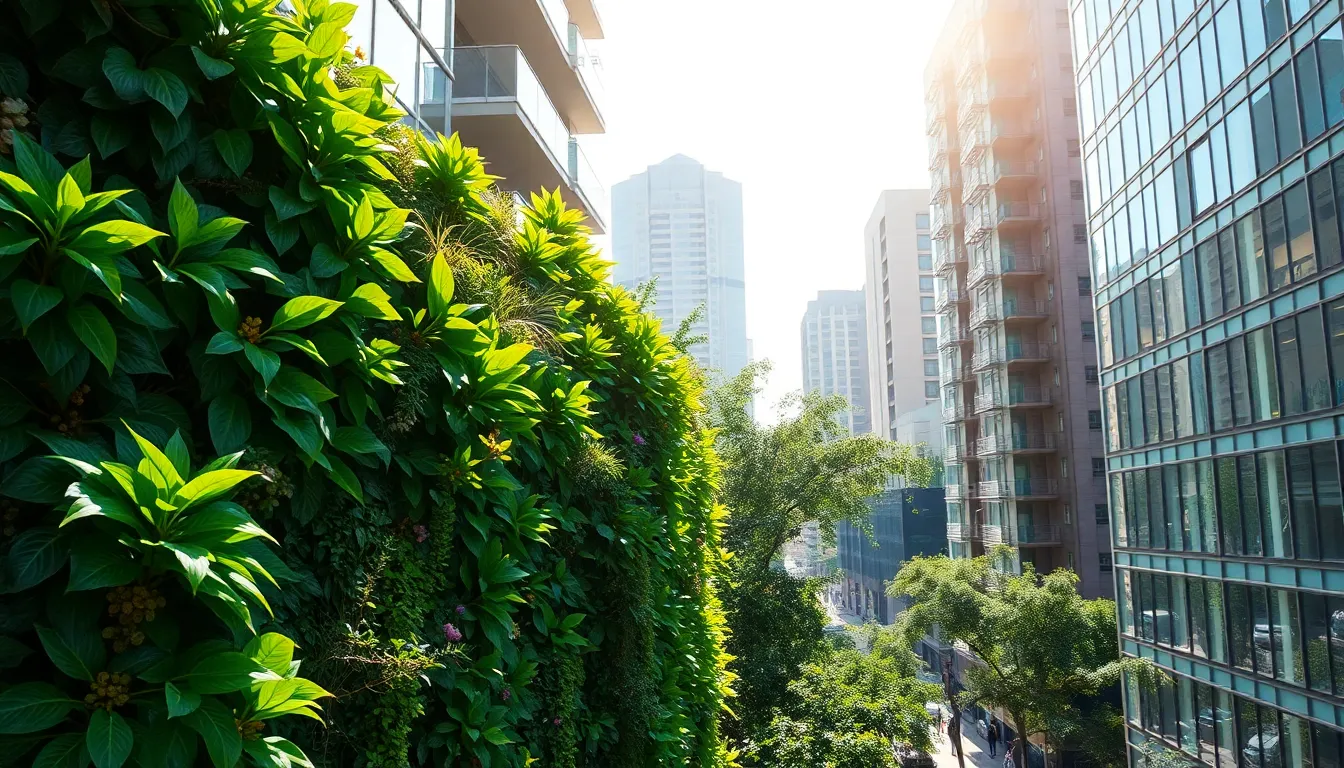
Green wall technology offers numerous advantages for urban environments, significantly enhancing both aesthetics and sustainability.
Environmental Impact
Green walls play a crucial role in improving air quality by filtering pollutants and absorbing carbon dioxide. Vegetation captures particulate matter, contributing to cleaner urban air. Ambient temperatures decrease as plants provide natural insulation. Noise pollution is also mitigated, as green walls absorb sound, promoting quieter urban living. Biodiversity receives a boost; various plant species create habitats for insects and birds. Water management improves, as these systems reduce stormwater runoff, minimizing flooding risks. Urban heat islands are lessened as green walls cool surrounding areas, promoting overall environmental health.
Aesthetic Appeal
Diverse colors and textures from green walls elevate visual interest in urban architecture. These living walls create dynamic spaces that engage passersby, contrasting stark concrete surfaces. Vertical gardens convey a sense of tranquility, promoting well-being among residents and visitors. Architectural designs become more inviting, enhancing public and private spaces alike. Integration of seasonal plants introduces changing beauty throughout the year. Green walls also provide opportunities for vegetative art, offering a unique design element that reflects local culture. Overall, these vibrant installations contribute profoundly to the urban landscape.
Types of Green Walls
Green walls come in various forms, enhancing urban aesthetics and eco-friendliness. Two primary types are vertical gardens and living walls.
Vertical Gardens
Vertical gardens incorporate plants on vertical surfaces, creating beautiful green spaces. Often, these gardens use specialized growing systems that support plants at different heights. Benefits include improved air quality, temperature regulation, and visual appeal. Plants in vertical gardens can act as natural insulators, decreasing energy costs. These systems encourage biodiversity by providing habitats for local insects and birds. Various designs allow integration into residential and commercial spaces. Maintenance might involve periodic watering and pruning, yet many systems simplify these tasks.
Living Walls
Living walls represent a unique form of vertical gardens, featuring modular systems specifically designed for plant growth on walls. These systems include built-in irrigation and drainage, ensuring plants thrive. Living walls play a vital role in urban environments by filtering air pollutants and absorbing carbon dioxide. Installed indoors or outdoors, they create tranquil spaces while improving the overall atmosphere. Numerous plant species can be utilized, allowing customization based on local climate and aesthetic preferences. Many cities are embracing living walls as a crucial component of sustainable architecture.
Applications of Green Wall Tech
Green wall technology has versatile applications that improve both urban and residential settings. These living walls enhance various environments through their environmental and aesthetic benefits.
Urban Spaces
Urban spaces benefit greatly from green wall tech. Increased air quality comes from plants that filter pollutants and absorb carbon dioxide. Noise reduction significantly contributes to community comfort, creating peaceful areas amidst bustling city life. Community engagement rises as green walls provide opportunities for local art and interaction, enhancing the cultural landscape. These installations can also reduce urban heat islands, promoting cooler environments. More than simple decoration, green walls serve as dynamic focal points that reflect the character and history of the city.
Residential Areas
Residential areas gain multiple advantages from implementing green wall tech. Homeowners enjoy improved air quality through the presence of plants that naturally filter harmful pollutants. Energy savings result from enhanced insulation, leading to reduced heating and cooling costs. Aesthetic appeal increases, making properties vibrant and inviting. Furthermore, homeowners can personalize their green walls with seasonal plants, contributing to unique visual experiences in their neighborhoods. These installations promote wellness by creating relaxing spaces that encourage outdoor living. More than mere plants, they foster community spirit and enhance overall quality of life.
Future Trends in Green Wall Tech
Emerging innovations drive green wall technology toward greater efficiency and sustainability. Companies explore advanced modular systems that optimize plant growth while enhancing aesthetic appeal. Smart irrigation systems, equipped with sensors, monitor moisture levels to minimize water usage and reduce maintenance efforts.
Integration of technology extends to automated lighting solutions that ensure plants receive adequate light, even in shaded areas. Urban planners increasingly incorporate green walls into design projects, recognizing their potential to enhance building performance and urban resilience. Community involvement in selecting and maintaining plant species fosters a sense of belonging and stewardship.
Sustainability efforts prioritize native plants, which require less water and support local ecosystems. Research highlights the importance of biodiversity within green walls, promoting the inclusion of various plant types to create resilient and adaptable systems. The concept of biophilic design gains traction, emphasizing the psychological and emotional benefits derived from incorporating nature into urban environments.
Commercial applications also expand as businesses recognize the impact of green walls on employee wellness and productivity. Notably, companies use living walls to improve indoor air quality, creating healthier workspaces that enhance creativity and reduce stress. Furthermore, green walls contribute to branding by reflecting a commitment to sustainability.
Adaptive reuse of existing structures presents an opportunity to integrate green wall technology into historical buildings, blending modern solutions with traditional architecture. Innovations in renewable materials for green wall systems support eco-friendly practices and reduce carbon footprints. Future developments promise to solidify the role of green walls as vital components of sustainable urban infrastructure.
Green wall technology is reshaping urban environments by blending nature with architecture. These living walls not only enhance aesthetic appeal but also provide crucial environmental benefits. As cities continue to grow, the integration of green walls becomes essential for promoting sustainability and improving quality of life.
Future innovations in this field promise to make green walls even more efficient and accessible. By prioritizing native plants and smart irrigation, urban planners and businesses can create healthier spaces that foster well-being. Embracing green wall technology is a step toward a more resilient and vibrant urban landscape, reflecting a commitment to sustainability and community engagement.