






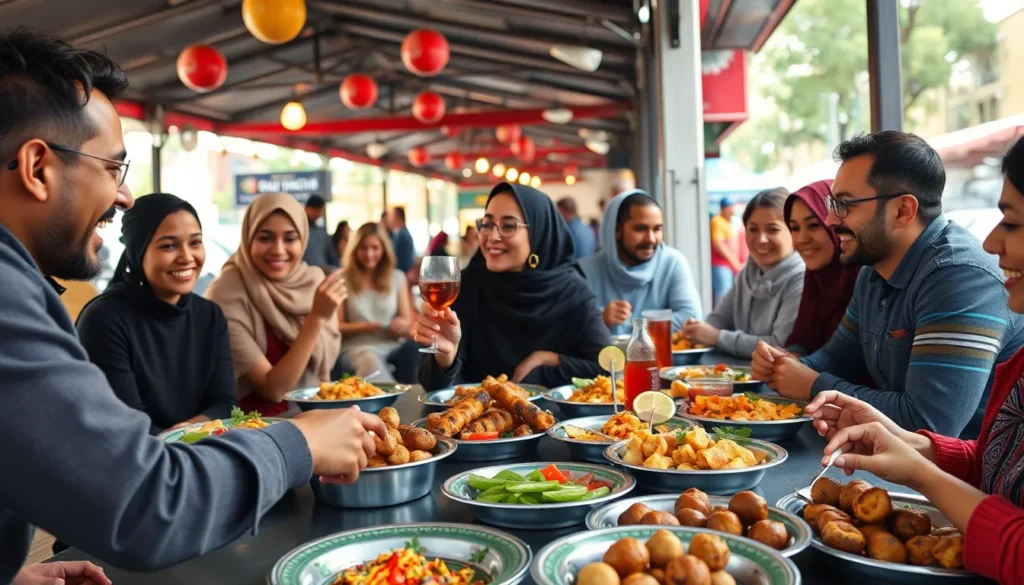
Finding delicious halal food nearby can be a delightful adventure for anyone craving authentic flavors. Whether it’s juicy kebabs, aromatic biryanis, or savory falafels, the options are plentiful. With the growing demand for halal dining, many restaurants are now catering to this culinary need, making it easier than ever to enjoy a meal that aligns with dietary preferences.
For those searching for halal food within a one-mile radius, the choices can be both exciting and overwhelming. This guide will help navigate local eateries, ensuring you discover the best halal options close to home. From casual takeout spots to sit-down dining experiences, there’s something to satisfy every palate.
Overview of Halal Food
Halal food refers to meals prepared according to Islamic dietary laws. These laws define what is permissible, including guidelines for food preparation, ingredients, and slaughtering methods. Halal cuisine encompasses diverse flavors, featuring dishes like kebabs, biryanis, falafels, and halal versions of popular entrees.
Halal dining experiences are becoming increasingly accessible. Cities often provide a range of halal restaurants, from casual eateries to upscale dining. Increased demand has prompted many establishments to earn halal certification, enhancing credibility and reassuring customers about food compliance.
Finding halal options within a one-mile radius becomes straightforward with various online tools and apps. Filter results based on proximity and cuisine type, assuring that individuals can explore local halal eateries effortlessly. The convenience of locating nearby halal food enhances the dining experience for all.
Importance of Halal Food
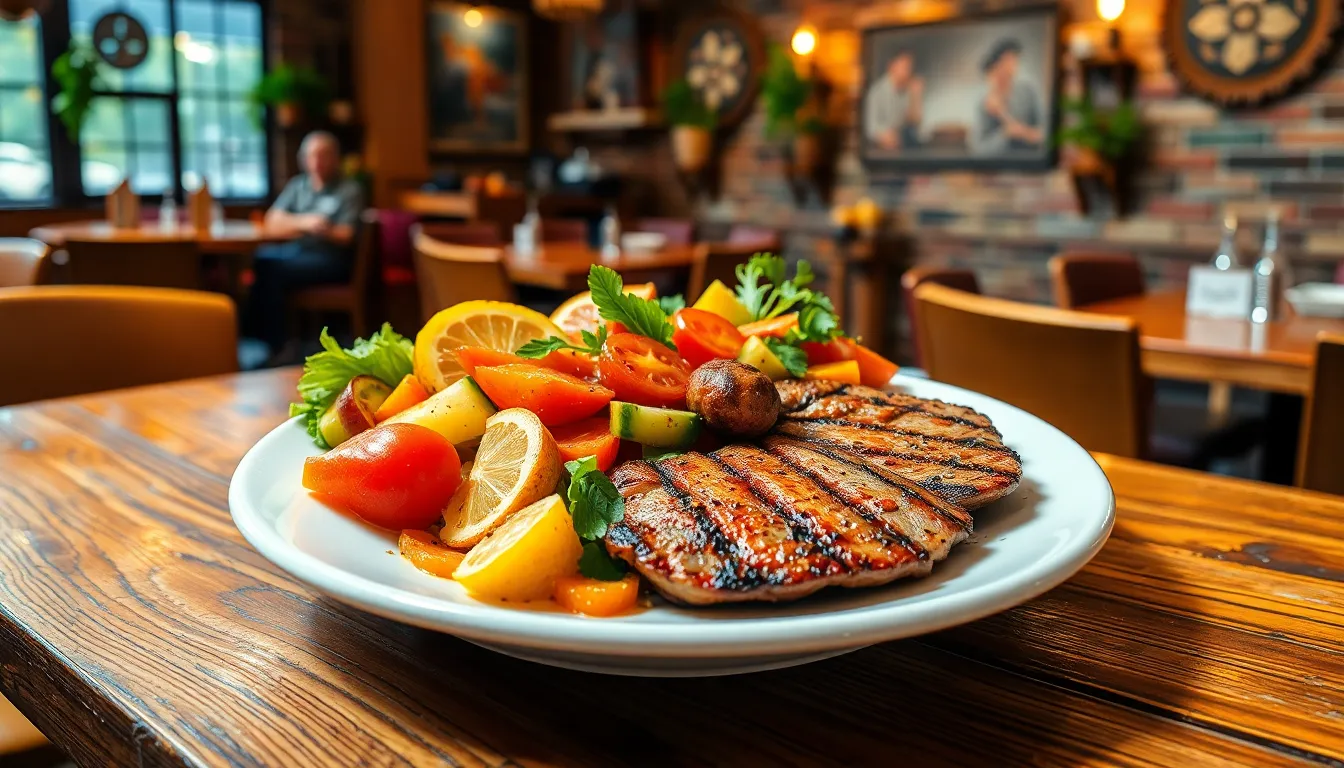
Halal food plays a significant role in dietary choices for various communities. It adheres to Islamic dietary laws, ensuring both health and ethical considerations are emphasized.
Health Benefits
Halal food contributes to overall health by promoting clean and wholesome eating practices. Ingredients must meet strict criteria, ensuring absence of harmful additives or contaminants.
- Animal products must come from healthy animals, leading to higher quality meat.
- Preparation methods exclude unhealthy practices, emphasizing freshness.
- Halal diets typically include more fruits, vegetables, and grains, supporting balanced nutrition.
Ethical Considerations
Halal food aligns with ethical principles in food sourcing and preparation.
- Animals must be treated humanely, with conditions ensuring minimal stress during slaughter.
- Halal certification requires transparency in food production, reassuring consumers about sourcing.
- The process supports community and local businesses, fostering economic sustainability.
Finding Halal Food Near Me Within 1 Mi
Finding halal food options within a one-mile radius proves accessible with the right resources. Various tools provide convenient access to nearby eateries that meet halal standards.
Online Resources and Apps
Online resources and apps streamline the search for halal food. Popular platforms include Yelp, Zomato, and Google Maps. Users can filter search results by cuisine type or dietary preferences, ensuring easy identification of halal-certified restaurants. Mobile apps focused on halal dining, such as HalalTrip and Zabihah, feature user-generated reviews and ratings, offering insights into local establishments. These tools help individuals locate nearby halal options while providing address details, operating hours, and menu highlights.
Local Community Recommendations
Local community recommendations play a crucial role in discovering quality halal food. Engaging with neighborhood groups on social media platforms like Facebook or Reddit often yields valuable suggestions. Residents frequently share their favorites, detailing specific dishes and experiences. Participation in local events, such as food festivals or community gatherings, enhances visibility of halal options and encourages direct conversations with restaurant owners. These personal connections foster trust in the quality and authenticity of halal offerings within the community.
Popular Halal Food Options
Halal food offers diverse culinary experiences ranging from quick bites to hearty meals. It reflects cultural richness and provides options for various dietary preferences.
Restaurants and Eateries
Numerous restaurants and eateries specialize in halal cuisine, catering to different tastes and occasions.
- Middle Eastern Restaurants: These establishments often feature dishes like shawarma, hummus, and kebabs, appealing to fans of traditional Middle Eastern flavors.
- South Asian Restaurants: Indian and Pakistani restaurants serve favorites like biryani, karahi, and naan, providing spiced and savory options for diners.
- Fast Casual Diners: Many fast-casual chains now offer halal menus, allowing for quick, satisfying meals such as halal burgers and wraps.
- Specialty Cuisine: Ethnic restaurants, such as those serving African or Mediterranean food, often include halal selections, showcasing unique flavors and dishes.
Grocery Stores and Markets
Grocery stores and markets with halal sections supply essential ingredients for home cooking.
- Halal Butchers: These establishments provide halal meat that complies with Islamic slaughtering practices, ensuring quality and ethical sourcing.
- International Markets: Many local markets offer a variety of halal products, including spices, snacks, and packaged goods from various cultures.
- Health Food Stores: Some health food stores now stock halal items, focusing on organic and wholesome ingredients compliant with dietary requirements.
- Online Grocery Delivery: Various online platforms offer halal grocery delivery, allowing customers to conveniently shop for halal products from local or national suppliers.
These options contribute to the expanding availability of halal food, making it accessible and convenient within a one-mile radius.
Tips for Choosing Halal Food
Choosing halal food involves several critical factors to ensure compliance with dietary laws and personal preferences. Awareness of product labels and direct communication with restaurant staff enhances the halal dining experience.
Reading Labels and Certifications
Reading labels is essential for verifying halal compliance. Look for certifications from recognized halal organizations, such as the Islamic Food and Nutrition Council of America (IFANCA) or the Muslim Consumer Group (MCG). Examine the ingredients list for any non-halal items, including alcohol or certain emulsifiers derived from non-halal sources. Products labeled as “100% halal” indicate adherence to Islamic guidelines. Familiarity with common symbols on packaging reinforces trust in the halal status of food items.
Asking Questions at Restaurants
Asking questions at restaurants helps clarify halal practices. Inquire about the source of meat and whether it is certified halal. Request information on food preparation methods to ensure no cross-contamination with non-halal items occurs. Staff training varies; therefore, it’s beneficial to approach establishments with a track record of halal offerings. Engaging in conversation also fosters a sense of community and encourages restaurants to prioritize halal options.
Finding halal food within a one-mile radius has never been easier. With the growing number of restaurants and online resources available, individuals can enjoy a diverse range of halal dishes that cater to various tastes and preferences. The emphasis on quality and ethical sourcing ensures that diners can feel good about their choices.
Engaging with local communities and utilizing apps can lead to discovering hidden gems that serve delicious halal meals. As awareness of halal dietary practices continues to rise, so does the accessibility and variety of options, making it simple for anyone to enjoy wholesome and satisfying halal cuisine.